
Deposit and Withdrawal Limits
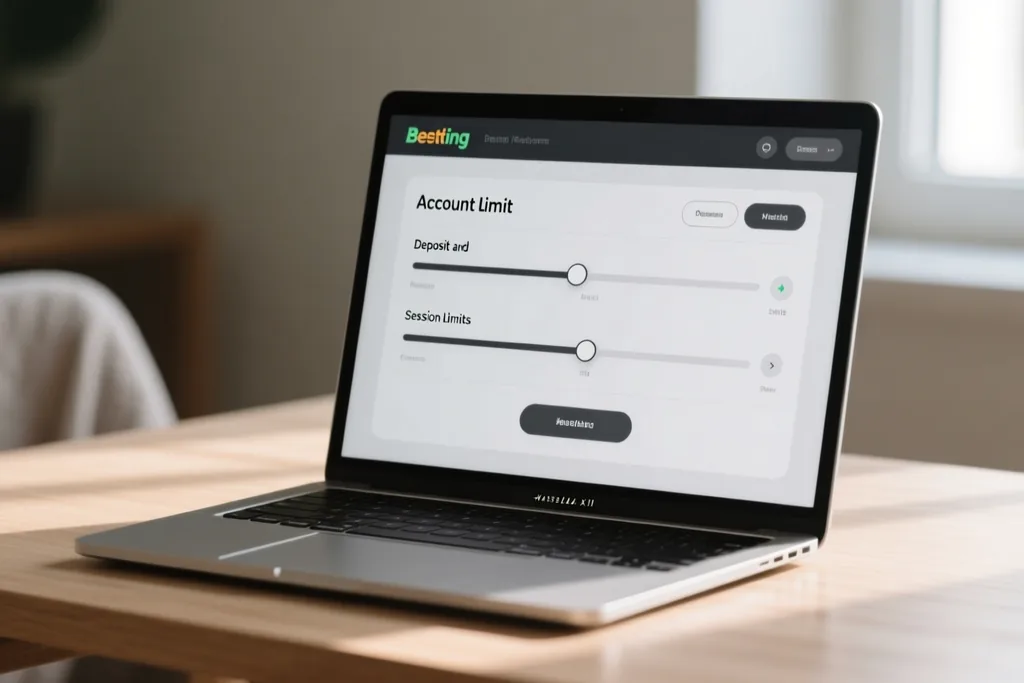
Every account operates within limits, and understanding them prevents both surprises and bad decisions. Some limits are technical, set by the operator and the payment providers, while others are chosen by the account holder and exist to keep play within a plan.
This guide explains where limits come from, how the two kinds differ and why the limits you set yourself deserve particular attention. It is information only, and it does not quote any specific amount, because the figures are set by the operator and can change.
Limits set by the operator
The operator, together with each payment provider, defines a minimum and a maximum for deposits and withdrawals. These exist for practical and regulatory reasons: a minimum reflects the cost of processing a transfer, and a maximum reflects the provider's rules and the platform's risk controls.
These figures differ between methods, so the same account may have different ceilings for a card, a wallet or a transfer. The cashier displays the applicable limits for each method, which is why the list shown at the moment of payment is the one that counts.
Limits you set yourself
Alongside the technical limits, most platforms offer personal controls: a deposit limit, a loss limit, a session limit or a time-out. These are chosen by the account holder and are the most effective tools available, because they act on the behaviour rather than on the payment.
A self-imposed deposit limit usually takes effect immediately when lowered, while raising it can involve a waiting period. That asymmetry is deliberate: it prevents a decision made in the middle of a session from undoing a boundary chosen in a calmer moment.
Why the two are different
Operator limits define what is technically possible; personal limits define what you have decided is sensible. The first protects the platform and the payment system, while the second protects the player, and neither replaces the other.
Confusing the two is a common mistake. The maximum accepted by a payment method is not a recommendation, and treating an available ceiling as a target is a reliable way to spend more than intended. The useful number is the one you chose in advance, not the one the system will allow.
How limits change
Operator limits and the availability of methods can change as providers update their rules, so a figure that applied last month may not apply today. Personal limits, by contrast, change only when the account holder changes them, within the rules the platform sets for doing so.
It helps to review personal limits from time to time, especially after any change in circumstances. A limit set long ago may no longer match a current budget, and reviewing it deliberately is very different from adjusting it impulsively during a session.
Making limits work for you
A limit only helps if it is set in advance and kept. Choosing a deposit limit before the first deposit, and a session limit before sitting down, turns the decision into a rule rather than a matter of willpower at the moment of temptation.
It is also useful to know where the controls live in the account, so that they can be found quickly. The points below summarise how limits are best used, and none of them affects the outcome of any game or bet.
- Distinguish payment limits from the personal controls you set.
- Set a deposit limit before making the first deposit.
- Remember that lowering a limit is easier than raising it.
- Review personal limits when your circumstances change.
- Treat the maximum available as a ceiling, not a target.
Two kinds of limit
The table contrasts the limits set by the operator with those chosen by the account holder.
| Aspect | Operator limits | Personal limits |
|---|---|---|
| Who sets them | The operator and the providers | The account holder |
| What they cover | Amounts accepted per method | Deposits, losses, sessions |
| Why they exist | Processing and compliance | Keeping play within a plan |
| How they change | As providers update their rules | When the holder decides |
| Main use | A technical ceiling | A chosen boundary |
Limits come in two kinds, and only one of them is about you. The limits set by the operator define what the system will accept; the limits you set yourself define what you are willing to spend, and those are the ones that change how a session goes. Check the current figures in the cashier, choose your own boundaries in advance, and keep them.
18+. Gambling is a game of chance: no strategy, bonus or prediction guarantees a win. Every spin, card and match outcome is random and independent, odds and conditions are set by the operator and can change, and this page is information only — not advice and not an invitation to bet. Play for entertainment, use the limits and pauses available in your account, and stop if play stops being fun. Nothing here can make an outcome predictable, and past results never influence the next round. Set a budget and a time limit before you play, and treat any promise of a sure win as a warning sign.
Read next
Payment Methods Compared
Cards, e-wallets and crypto: what differs without advertising any of them.