
Payment Methods Compared
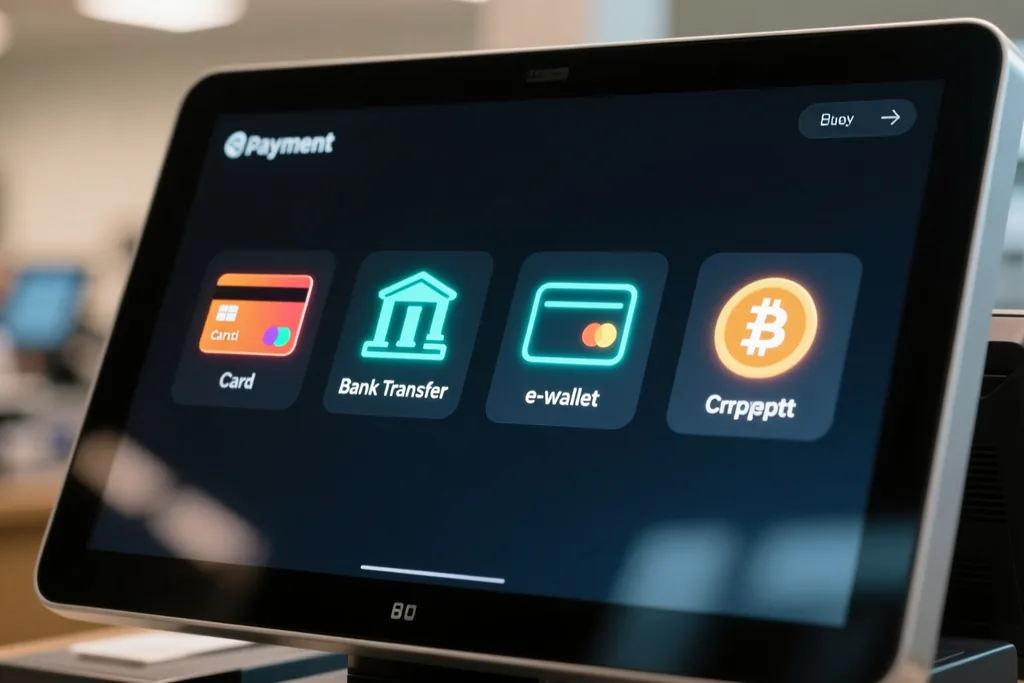
Payment methods differ in more ways than their logos suggest. Cards, bank transfers, e-wallets and cryptocurrencies each have their own speed, their own rules and their own limits, and a method that suits one person may be inconvenient for another.
This guide compares the main categories in a neutral way, without recommending any particular provider and without quoting amounts, because the specifics are set by the operator and the providers and change over time. It is information only.
Cards and bank transfers
Cards are familiar and widely accepted, which makes them a common choice for a first deposit. Their processing goes through the banking system, so the timing depends on the issuer as well as on the platform, and a card that works for a deposit is not always available for a withdrawal.
Bank transfers move money directly between accounts and tend to suit larger amounts, at the cost of speed. They also create a clear record on both sides, which some people value for keeping their own accounts in order, even though the transfer itself takes longer to complete.
E-wallets and crypto
E-wallets act as an intermediate account, which can make transfers fast and keep the details of a bank account out of the transaction. The trade-off is that they add a service with its own rules, its own verification and its own limits on top of the platform's.
Cryptocurrency transfers sit outside the banking system and can move quickly once confirmed, but they come with volatility in value and with a technical step where an error in an address cannot be undone. They suit people who already understand the technology, and they are less forgiving of a mistake.
How to compare them fairly
The useful comparison is not which method is best in the abstract but which matches your situation. Speed, cost, the size of transfers accepted, and whether the method works in both directions are the factors that decide how a method behaves in practice.
Availability also varies by region and over time, so a method that is offered today may not be available later. Checking the current list in the cashier is more reliable than relying on a comparison written at an earlier date, including this one.
The rules that apply to all of them
Whatever the method, the same principles apply: the instrument must be in your own name, the details must match those on the account, and the operator may require the money to return through the same route it arrived by. These conditions protect the platform from being used to move money for others.
It also helps to keep the records. A payment reference from the provider is the fastest way to resolve any question later, and retaining it costs nothing at the time. Problems with payments are usually problems of missing information rather than of lost money.
Choosing a method
The sensible approach is to start from how you intend to use the account and to pick a method that works for both directions. A method that is convenient for depositing but unavailable for withdrawing creates an avoidable complication at exactly the wrong moment.
It is also worth confirming any fee and any condition in advance, so that the cost of the transfer is known rather than discovered. The points below summarise how to compare methods without being swayed by advertising.
- Check that the method supports both deposits and withdrawals.
- Confirm the name on the instrument matches your account.
- Note any fee and the typical processing time.
- Consider whether you already understand the technology involved.
- Recheck availability, because the list of methods can change.
Payment methods at a glance
The table compares the main categories on the factors that usually matter, without stating any specific amounts or times, which are set by the operator and the providers.
| Method | Typical strength | Typical trade-off |
|---|---|---|
| Card | Widely accepted and familiar | Not always available for payouts |
| Bank transfer | Suits larger transfers | Slower to complete |
| E-wallet | Fast and convenient | Added rules and verification |
| Cryptocurrency | Can move quickly once confirmed | Value volatility and no reversal |
| Choice of route | Depends on your own needs | Availability can change over time |
No payment method is superior in the abstract; each is a set of trade-offs between speed, cost, availability and convenience. The specifics belong to the operator and to the providers and change over time, so the current cashier list is the authority. Choose a method you understand, on an instrument in your own name, and confirm its conditions before you rely on it.
18+. Gambling is a game of chance: no strategy, bonus or prediction guarantees a win. Every spin, card and match outcome is random and independent, odds and conditions are set by the operator and can change, and this page is information only — not advice and not an invitation to bet. Play for entertainment, use the limits and pauses available in your account, and stop if play stops being fun. Nothing here can make an outcome predictable, and past results never influence the next round. Set a budget and a time limit before you play, and treat any promise of a sure win as a warning sign.
Read next
Account Verification: What Is Required
Documents, data checks and the reasons a check is requested.