
Odds and Margin: How to Read Them
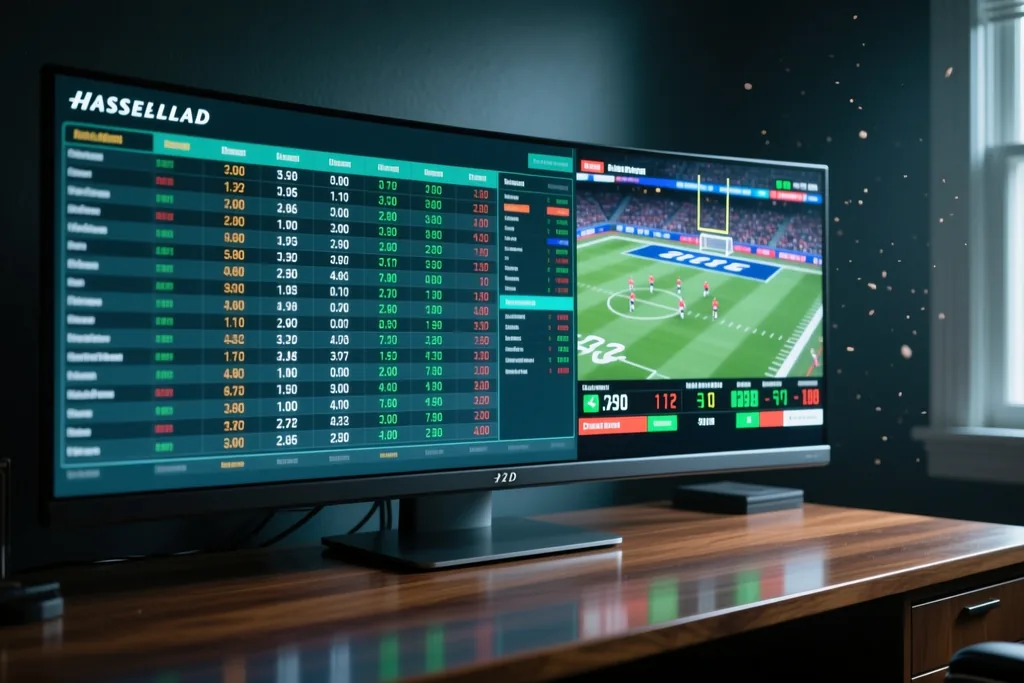
Odds are the language of betting, and reading them correctly is the first real skill in the activity. They are a price, a probability and a summary of how the operator rates each outcome, all expressed in a single number or ratio.
This guide explains what an odd means, how it converts into an implied probability and where the operator's margin sits. It is information only, and understanding it does not give anyone an edge over the outcome itself, which remains uncertain.
What an odd expresses
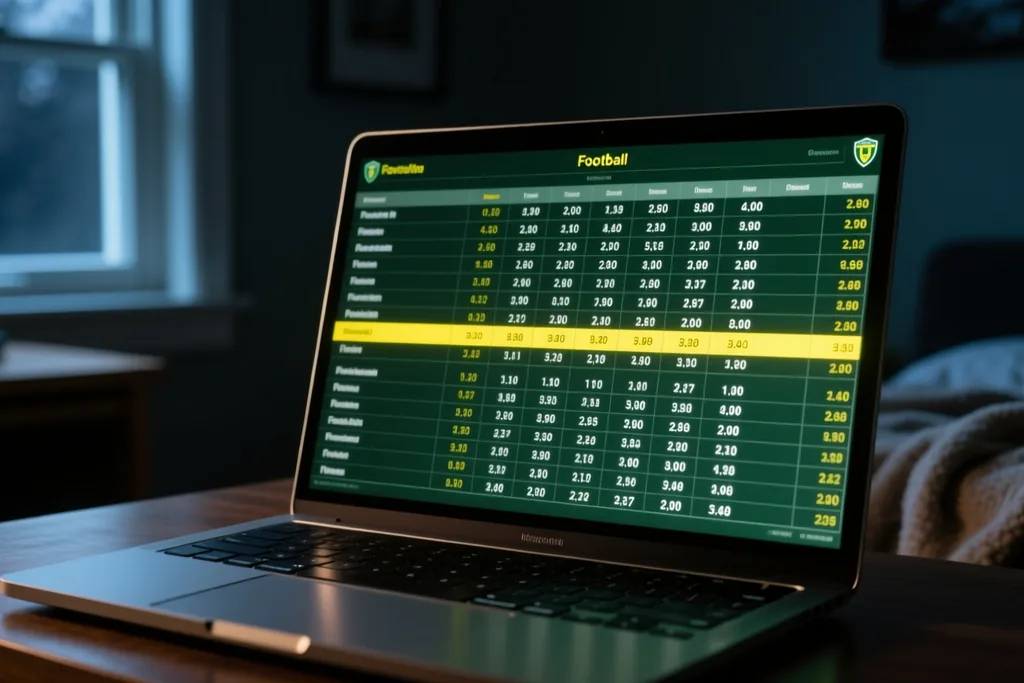
An odd tells you how much a winning bet returns relative to the stake. A larger number means a smaller implied chance but a bigger return if it happens, while a smaller number means a larger implied chance and a more modest return. The two move together by design.
In decimal format the odd represents the total return per unit staked, including the stake itself. Other formats, such as fractional or American, express the same information differently; the operator's site explains which format it uses and how to read it on the slip.
From odds to implied probability
An odd can be read as an implied probability by considering how often an outcome would have to occur for the price to be fair. A price of even money implies that the outcome is as likely to happen as not, and the implied chances shrink as the price grows larger.
These implied probabilities are a useful way to compare markets, but they are not the true chances of the event. They are the chances consistent with the price the operator is offering, which already includes a built-in charge.
Where the margin sits
If you add up the implied probabilities of all outcomes in a market, the total is greater than it should logically be. That excess is the margin, the operator's built-in edge, and it is the reason a market is not a fair reflection of the probabilities involved.
The margin is not hidden in a fee or a separate charge; it is expressed in the odds themselves. This is why the same selection can appear at different prices on different platforms, and why shopping around changes the value you receive without changing the outcome.
Reading movement in odds
Odds move as money arrives and as information changes, such as team news before a match. A shortening price suggests more support or fresher information behind an outcome, and a drifting price suggests the opposite, but neither direction tells you what will happen.
Movement is a signal about the market, not a prophecy about the event. Treating a falling price as a tip, or a rising one as a trap, mistakes a summary of opinion for a fact about the future, and that is a common and expensive confusion.
Using odds well
The practical use of odds is comparison. Reading several prices for the same selection shows how much of a difference the margin makes, and choosing a better price improves the value received on every bet placed at it.
It also helps to convert the price into an implied chance before deciding, so that the size of the potential return is weighed against how likely it actually is. The points below summarise how to read a price without overreading it.
- A larger odd means a smaller implied chance and a bigger return.
- Adding up implied probabilities in a market reveals the margin.
- Compare prices for the same selection across platforms.
- Treat odds movement as market opinion, not as a prediction.
- A high price is a signal of low probability, not of value.
What an odd tells you
The table separates what a price conveys from what it does not, using the relationship between the size of the odd and the implied chance.
| Reading | What it shows | What it does not show |
|---|---|---|
| A short odd | A larger implied chance | A certain outcome |
| A long odd | A smaller implied chance | Better value by itself |
| Sum of implied chances | The presence of the margin | A fair price |
| Movement before a match | Change in market opinion | What the result will be |
| Price comparison | How much the margin differs | Which outcome will occur |
Odds are a compact summary of price, probability and margin, and reading them accurately is the basis of every other decision in betting. The margin guarantees that the market is not a fair bet in the long run, and no amount of skill in reading prices removes the uncertainty of the event. A short price is a statement about likelihood, not a promise, and a long one is an invitation to take more risk rather than a bargain. Use odds to compare and to plan, not to predict.
18+. Gambling is a game of chance: no strategy, bonus or prediction guarantees a win. Every spin, card and match outcome is random and independent, odds and conditions are set by the operator and can change, and this page is information only — not advice and not an invitation to bet. Play for entertainment, use the limits and pauses available in your account, and stop if play stops being fun. Nothing here can make an outcome predictable, and past results never influence the next round. Set a budget and a time limit before you play, and treat any promise of a sure win as a warning sign.
Read next
Football Betting: Markets and Basics
Match, outright and player markets, and how a football bet is settled.
Types of Bets: Singles, Accumulators and Systems
How risk and probability change when bets are combined or split.
Live Betting: How In-Play Wagering Works
Why odds move during an event and what changes for the bettor.